

Quick Summary: Recent procedural shifts by the Florida Supreme Court have fundamentally altered the landscape of medical malpractice litigation. As INGAGE client Freidin Brown highlighted in the Daily Business Review, new rules regarding corroborating experts and early appellate review mean that claimants now face higher hurdles before a case even reaches trial. For legal teams, this isn’t just a policy change; it’s a strategic crisis that requires a “Lockstep” approach to pre-suit preparation to ensure victims aren’t left without options.
The Inherent Friction: “Procedural Rigidity” vs. “Victim Advocacy”
Medical malpractice litigation has always been a battle of experts, but new court decisions have created a “Civil War” between two opposing forces in the legal process.
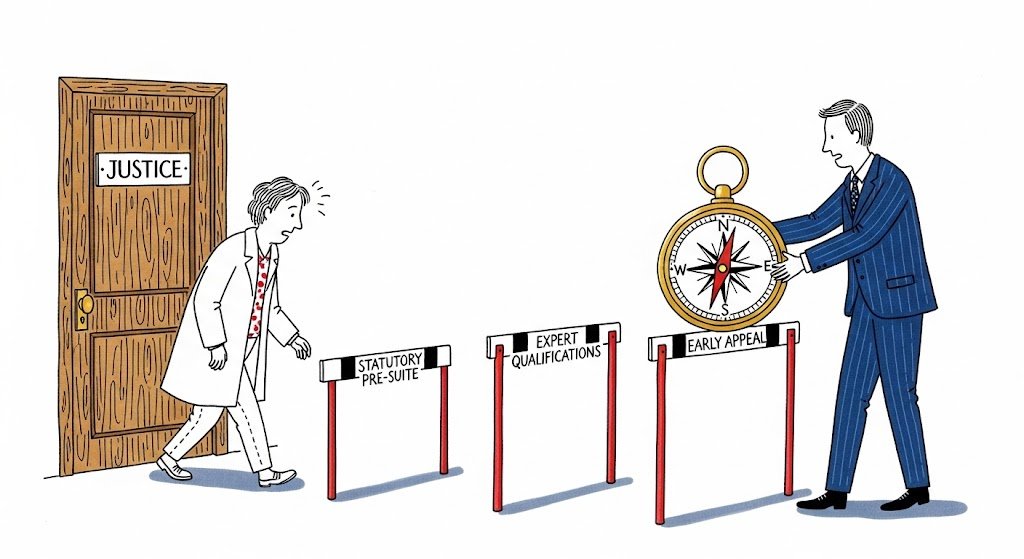
On one side, the Judicial and Defense Interests prioritize strict adherence to statutory pre-suit requirements. Their focus is on early appellate review to weed out cases that do not meet rigorous expert qualifications. On the other side, Plaintiff Attorneys and Claimants are fighting for the fundamental right to seek justice for medical errors. The friction lies in the “Pre-suit phase”: a single procedural misstep regarding an expert’s credentials can now lead to an immediate appeal, potentially freezing or killing a case before it ever sees a jury.
Why This Disconnect Is Dangerous
When procedural rules shift suddenly, the gap between a valid claim and a successful lawsuit widens, leading to several high-stakes risks:
The Presuit Trap: New rules allowing early appellate review of an expert’s qualifications mean defense teams can stall litigation for months or years on technicalities.
Qualified Expert Scarcity: The bar for “corroborating experts” has been raised. Finding experts who meet the precise statutory requirements is now more difficult and expensive.
Claimant Despair: Victims of medical negligence are often in a state of physical and emotional crisis. Prolonged procedural battles can lead to “litigation fatigue,” causing victims to abandon valid claims.
The INGAGE “Strategic Foresight” Methodology
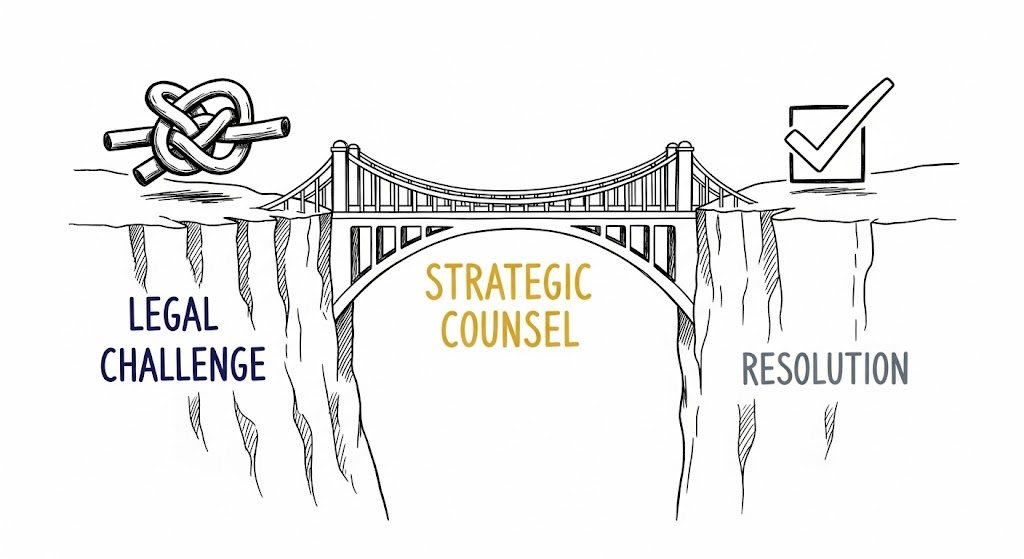
In collaboration with top-tier firms like Freidin Brown, INGAGE advocates for a methodology rooted in Aggressive Pre-suit Auditing. We believe that in a “procedural-first” environment, a law firm’s PR and legal strategy must move in lockstep.
By treating the pre-suit phase as the most critical stage of the campaign, firms can insulate their clients from early appellate challenges. This requires a shift from “filing and finding” to “verifying and validating.” This methodology ensures that when a firm speaks on behalf of a victim, they do so from a position of unassailable technical authority.
Comparison: The Shifting Rules of Engagement
Understanding the “Old Way” vs. the “New Way” of Florida malpractice litigation is essential for managing client expectations.
| Feature | The Former Procedural Rule | The New Supreme Court Standard |
| Expert Review | Challenged during or after trial | Immediate early appellate review |
| Defense Strategy | Focus on evidence/discovery | Focus on procedural dismissal |
| Litigation Timeline | Predictable movement toward trial | Susceptible to “Appellate Freezes” |
| Risk Focus | Jury verdict outcome | Statutory compliance at filing |
| Victim Experience | Focused on the medical error | Focused on the legal process |
3 Steps to Protecting Malpractice Claims
To ensure that victims retain their options under the new rules, legal teams must adopt a more rigorous front-end strategy:
1. The “Gold-Standard” Expert Audit
Do not wait for the defense to challenge your expert.
Action: Conduct an exhaustive audit of your corroborating expert’s credentials against the latest Supreme Court standards before filing. This creates a “shield” against the new early appellate review triggers.
2. Strategic “Media Hit” Positioning
When laws change, public perception matters.
Action: Use strategic media placements—like the Freidin Brown feature in the Daily Business Review—to highlight the impact of these changes on the community. This positions your firm as the leading authority on navigating complex process changes.
3. Comprehensive Client Education
The “Golden Hour” of trust happens at the intake.
Action: Educate clients early about the procedural hurdles. By explaining the “why” behind the long pre-suit process, you build the emotional stamina required for a victim to stay the course through potential appeals.
Frequently Asked Questions (FAQ)
What is “early appellate review” in medical malpractice?
It is a new procedural rule that allows a trial court’s decision regarding an expert’s qualifications to be appealed immediately. This means the case can be put on hold before the discovery phase or trial even begins.
Why did the Florida Supreme Court change these rules?
The court aimed to address the qualifications of corroborating experts and provide a mechanism to weed out cases that do not meet strict statutory requirements early in the process. However, this has significantly increased the burden on plaintiffs.
How does a “Media Hit” help my legal case?
While it doesn’t change the law, a media hit builds “Social Validation” and “Industry Authority.” When your firm is featured in high-authority publications like Forbes or the Daily Business Review, it signals to defense firms and the judiciary that you are prepared to fight the procedural battle in the court of public opinion.
What should victims do if they suspect medical malpractice?
Victims must act quickly and consult with a firm that understands the recent “Process Changes.” Because the pre-suit phase is now a procedural minefield, starting with a team that has a “Strategic Foresight” methodology is more critical than ever.
Is your firm prepared for the new era of malpractice litigation?
Contact the INGAGE team today to learn how we help law firms build the authority and strategic positioning needed to protect their clients in a shifting legal landscape.