

Quick Summary: The pressure to grow a law firm often leads partners to consider paid referrals and “influencer” recommendations. However, as INGAGE highlights, there is a fine line between strategic business development and ethical violations that can jeopardize a license. True growth isn’t bought through kickbacks; it is earned through a “Lockstep” approach that aligns aggressive marketing with strict adherence to Bar rules.
The Inherent Friction: “Growth Velocity” Vs. “Ethical Compliance”
In the competitive landscape of legal services, the friction lies between the Marketing Department’s drive for lead generation and the Senior Partner’s duty to maintain professional ethics.
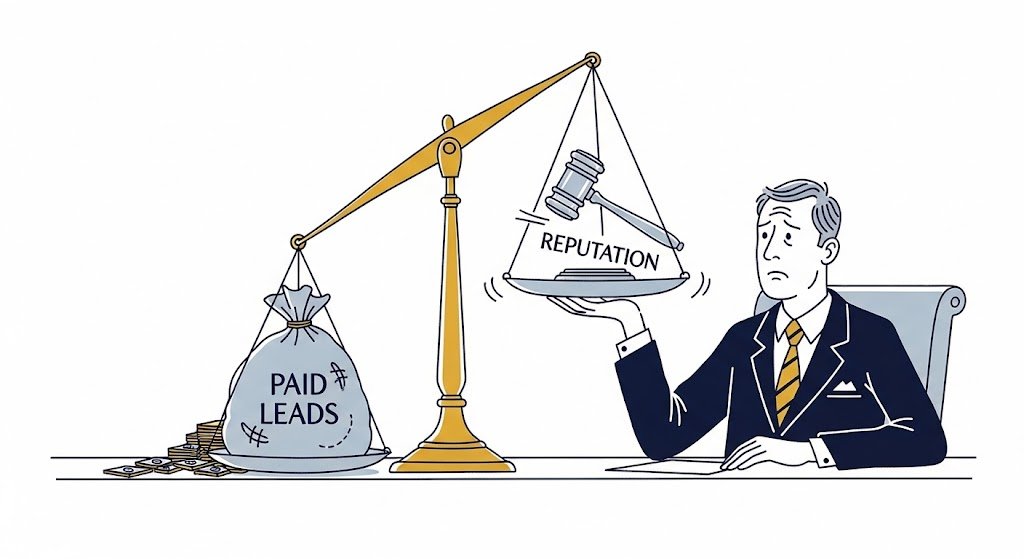
Marketing teams often look at the success of “paid endorsements” in the corporate world and want to apply the same velocity to law firms. Conversely, ethical mandates—specifically ABA Model Rule 7.2—strictly prohibit a lawyer from giving “anything of value” to a person for recommending their services. This creates a “Civil War” within the firm: one side wants to scale at all costs, while the other is paralyzed by the fear of a Bar grievance.
Why This Disconnect Is Dangerous
When firms bypass ethical guardrails in favor of paid recommendations, the risks extend far beyond a simple fine.
Disciplinary Action: Most State Bars view paid referrals as a fundamental breach of professional conduct, leading to public reprimands or suspension.
Voided Fees: If a case is brought in through an illegal referral fee, the firm may be legally barred from collecting any portion of the earned fee.
Erosion of Public Trust: Clients who discover a recommendation was “purchased” rather than earned through merit feel betrayed, leading to a permanent loss of brand equity.
The INGAGE “Integrity-First” Methodology
At INGAGE, we believe that “Influence” cannot be bought—it must be engineered. Our methodology focuses on Strategic Visibility over Pay-to-Play schemes.
Instead of paying for a recommendation, we help firms invest in Qualified Referral Ecosystems. This involves building authority through high-quality content, strategic networking, and reciprocal professional relationships that stay within the “Safe Harbor” of Bar rules. We focus on the earned media model, ensuring that when someone recommends your firm, it is based on your proven expertise, not a transaction.
Comparison: Paid Referrals vs. Strategic Networking
| Feature | Paid Recommendation (High Risk) | Strategic Networking (INGAGE Way) |
| Primary Driver | Financial Kickback / Cash Value | Mutual Professional Value |
| Bar Compliance | High Risk (Violates Rule 7.2) | Fully Compliant / Ethical |
| Client Perception | Transactional & Suspect | Credible & Merit-Based |
| Longevity | Stops when the money stops | Grows as the relationship matures |
| Cost | High Per-Lead Cost | Investment in Brand Equity |
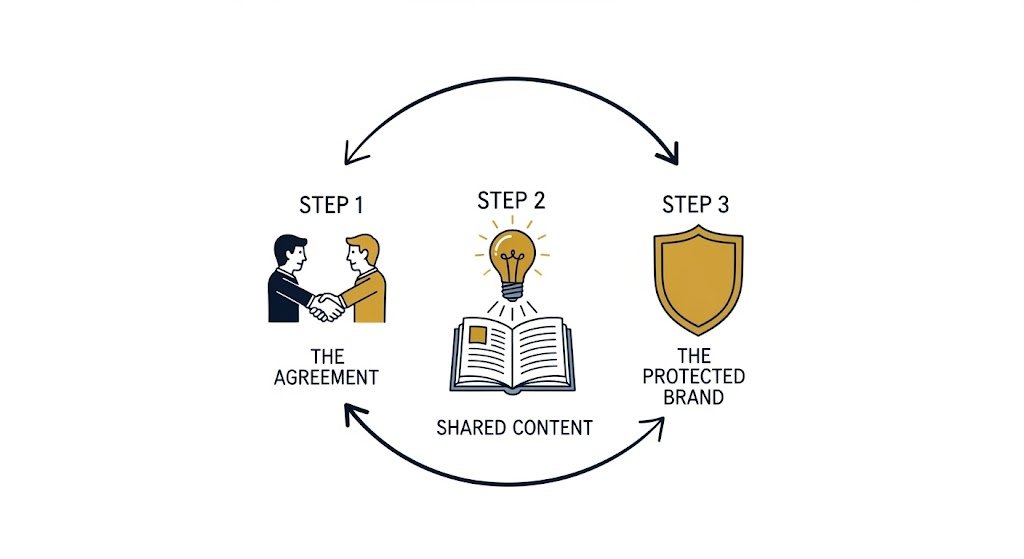
3 Steps to Ethically Scale Your Referral Network
You don’t need a “pay-for-play” model to grow. Follow these steps to build a compliant, high-velocity referral engine.
1. Leverage the “Safe Harbor” Referral Rule
While you cannot pay for a recommendation, many jurisdictions allow for “Non-Exclusive Referral Agreements.”
Action: Work with legal counsel to draft formal, non-exclusive referral agreements with other professionals (accountants, real estate agents) that focus on mutual client benefit rather than financial exchange. Ensure all clients are informed of the relationship.
2. Transition from “Endorser” to “Strategic Partner”
Instead of paying an influencer to say “Hire this firm,” involve them in a collaborative content strategy.
Action: Co-host a webinar or whitepaper with a professional peer. This provides value to the audience and allows the partner to recommend you based on the expertise you demonstrated during the collaboration.
3. Incentivize Engagement, Not Just Results
You cannot pay for a referral, but you can invest in the experience of your referral sources.
Action: Invest in a high-touch Client Experience (CX) program. When your referral partners see that their clients are treated with white-glove service, the “recommendation” happens naturally and ethically because it protects their reputation as well.
Frequently Asked Questions (FAQ)
Is it legal to pay a non-lawyer for a case referral?
In almost every U.S. jurisdiction, it is a violation of legal ethics to pay a “finder’s fee” or a percentage of a legal fee to a non-lawyer. This is often referred to as “fee-splitting” and can lead to severe Bar sanctions.
Can I give a gift to someone who recommends my law firm?
While small tokens of appreciation (like a thank-you note or a modest gift) are sometimes permissible, “anything of value” given in exchange for a recommendation can be scrutinized. It is best to focus on building a reciprocal professional relationship rather than transactional gifting.
How can a law firm ethically use social media influencers?
Law firms can use influencers for “Brand Awareness” rather than “Direct Recommendations.” An influencer can discuss a legal topic or interview a lawyer, but they should generally avoid telling their audience to “Hire this specific lawyer” in exchange for a fee.
What is the difference between a lead generator and a referral?
A lead generator is a service that provides contact information for potential clients (often permissible if done correctly), whereas a recommendation implies an endorsement of the lawyer’s skill. Paying for the latter is where most firms run into ethical trouble.
Ready to grow your firm without the ethical risk?
Contact the INGAGE team today to learn how we help law firms build high-authority referral networks that scale your business while keeping your reputation—and your license—perfectly intact.