

Quick Summary: While a firm’s letterhead provides the infrastructure, it is the individual lawyer’s reputation that closes the deal. In an era where potential clients “Google” their legal counsel long before the first consultation, brand management is no longer optional—it is the foundation of client acquisition. As INGAGE CEO Katherine Doble highlights, successful attorneys must transition from passive participants in a firm’s marketing to active managers of their own digital narratives.
The Inherent Friction: “The Firm’s Shield” Vs. “The Individual’s Story”
In the legal industry, there is a traditional tug-of-war between the identity of the law firm and the identity of the individual attorney.
Law firms often invest heavily in institutional branding—sophisticated logos, expensive office space, and a history of collective wins. This provides a “Shield” of credibility. However, clients today are increasingly savvy; they realize that a firm’s name doesn’t argue their case—a human does. The friction arises when an attorney relies too heavily on the firm’s reputation, neglecting the fact that clients are looking for a personal connection, specific expertise, and a relatable personality.
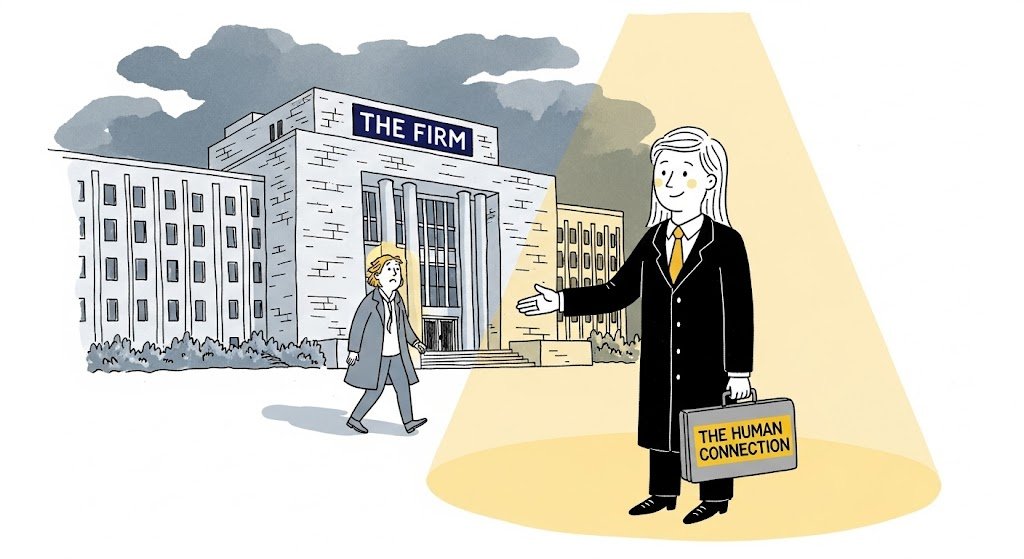
Why This Disconnect Is Dangerous
Relying solely on your law firm’s brand without managing your own can lead to a “reputation vacuum” that others will fill for you.
The Google Trap: If you don’t define who you are online, search results (and potentially negative reviews) will do it for you.
Lack of Differentiation: Without a personal brand, you become a commodity. Clients will choose based on price rather than your unique value proposition.
The “Invisible Expert” Syndrome: You may be the most talented litigator in your field, but if your digital footprint is non-existent, you are effectively invisible to the modern client.
The INGAGE “Reputation Audit” Methodology
Katherine Doble emphasizes that brand management begins with an honest audit. You cannot change a narrative you haven’t read.
At INGAGE, we believe in Active Reputation Management. This isn’t just about cleaning up the “red flags”—it’s about intentionally creating momentum. By auditing your current search results, social media presence, and client feedback, you can identify the gaps between how you want to be perceived and how you are currently seen. Once that gap is closed, your brand becomes a powerful tool for building trust before you even pick up the phone.
Comparison: Institutional Branding vs. Personal Branding
Understanding the difference between the firm’s brand and your own is essential for a balanced marketing strategy.
| Feature | Law Firm (Institutional) Branding | Lawyer (Personal) Branding |
| Focus | History, size, and collective resources | Individual expertise, values, and personality |
| Trust Source | Legacy and firm prestige | Authentic connection and proven results |
| Visibility | Directories and firm-wide ads | Thought leadership, blogs, and social proof |
| Primary Goal | Market stability and firm growth | Client acquisition and “top of mind” status |
| Risk | Being perceived as “just another big firm” | Being perceived as unmanaged or unprofessional |
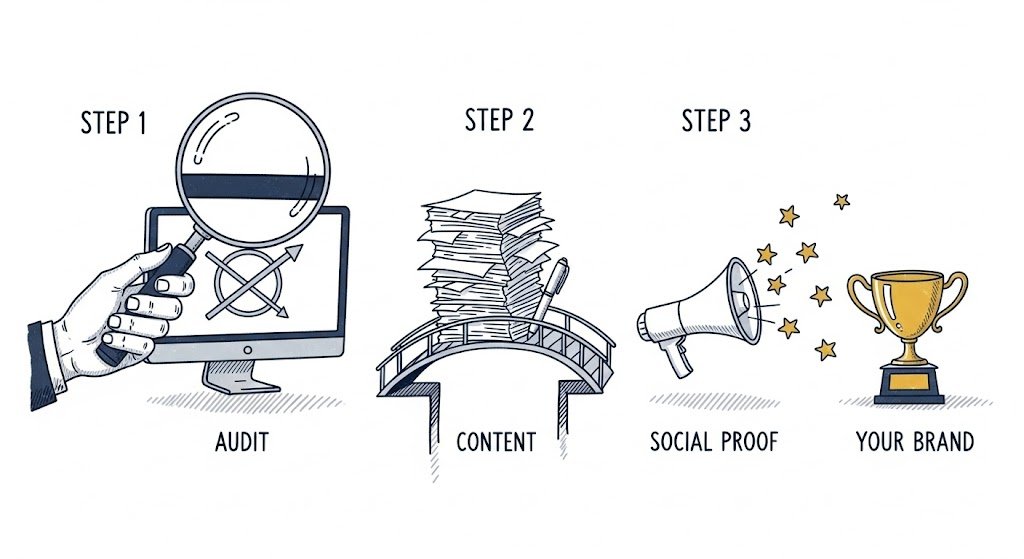
3 Steps to Master Your Personal Brand
To move from an “invisible expert” to a trusted brand, follow these strategic steps shared by the INGAGE team.
1. Perform a Private Search Audit
You must know exactly what a client sees when they type your name into a search engine.
Action: Open a private browsing window and Google yourself. Look for search terms including your name, practice area, and city. Identify any outdated bios, ghost-town social media profiles, or negative reviews that need addressing.
2. Drown Out the Negative with Content
The best defense against a negative online footprint is a strong offense of high-value, authoritative content.
Action: Launch a consistent content plan. This could be a monthly blog on recent legal updates, a short-form video series explaining common legal myths, or a niche podcast. “Strong Writing” and “Authenticity” are your best tools to push down irrelevant search results.
3. Leverage Social Proof Strategically
Clients want to hear from people who have been in their shoes. Generic firm testimonials are less effective than individual praise for your specific work.
Action: After a positive client experience, ask for a review specifically mentioning your work. Feature these testimonials prominently on your personal bio page and LinkedIn profile to build immediate credibility.
Frequently Asked Questions (FAQ)
What is the first step in managing my reputation as a lawyer?
The first step is a full reputation audit. You should Google yourself in a private browser to see what a prospective client sees. This allows you to identify red flags, negative reviews, or outdated information that could be hurting your credibility before you even speak to a lead.
Can personal branding hurt my relationship with my law firm?
Quite the opposite. A lawyer with a strong personal brand brings more value, leads, and prestige to the firm. The key is to ensure your personal messaging aligns with the firm’s core values while still highlighting your unique approach and expertise.
How do I handle negative online reviews as an attorney?
The most effective way to handle negative reviews is to drown them out with positive ones. Actively ask happy clients for testimonials. In many cases, having a large volume of positive, recent feedback will cause a single negative remark to lose its impact and sink in search rankings.
Do I really need a personal website if the firm has one?
While a firm website is essential, a personal brand platform (like a dedicated bio page, a blog, or a strong LinkedIn presence) allows you to control the narrative more closely. It allows you to speak directly to your niche audience in a voice that is more “human” and less “corporate.”
Is your personal brand working for you or against you?
Contact the INGAGE team today to perform a comprehensive brand audit and build a digital identity that reflects the high-caliber lawyer you are.