

Quick Summary:
The “Surfside Era” of Florida real estate has officially begun. With the signing of HB 1021 (often called “Condo 3.0”), the days of waiving reserves and delaying repairs are over. As the INGAGE Blog outlines, this new legislation forces condo boards to choose between massive special assessments or legal non-compliance. The challenge for boards isn’t just the math; it’s the message. How you communicate these rising costs will determine whether your community rallies together or falls apart.
The Inherent Friction: “Structural Safety” Vs. “Financial Reality”
Condo boards are currently trapped in a vice grip between Tallahassee and their residents.
On one side is The Mandate. The state now requires strict “Milestone Inspections” and “Structural Integrity Reserve Studies” (SIRS), with zero option to waive funding for critical items. On the other side is The Wallet. Many residents, especially those on fixed incomes, bought condos specifically for the low maintenance fees. The friction lies in the “Assessment Shock”—residents agree that safety is important, until they see the price tag attached to it.
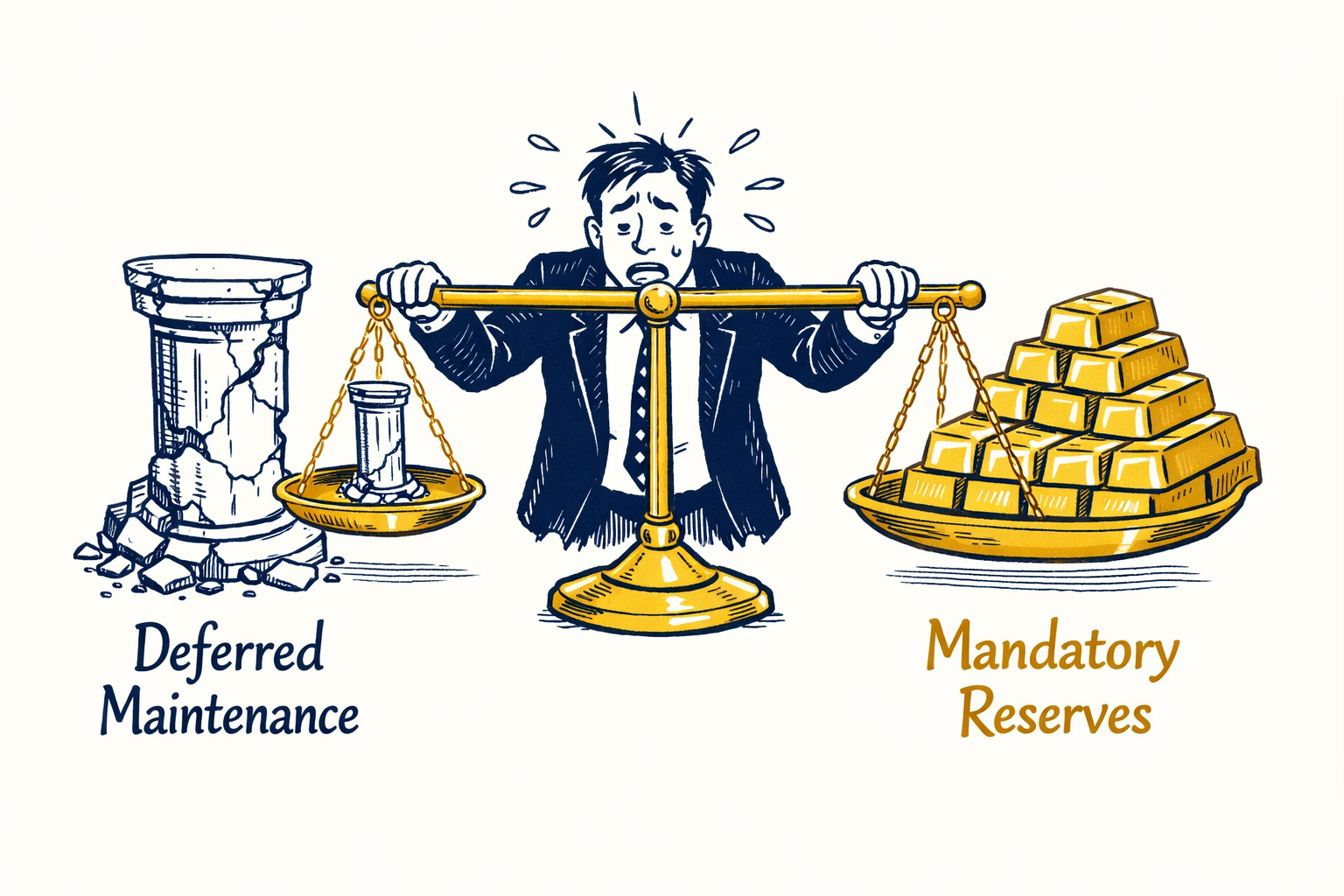
Why This Disconnect Is Dangerous
INGAGE warns that treating this purely as a “financial issue” is a strategic error. It is a communication crisis.
The “Villain” Problem: If the Board simply sends a bill for a $50,000 special assessment without context, residents will blame the Board, not the State. This leads to recalls, lawsuits, and toxic community meetings.
Panic Selling: If rumors of “six-figure assessments” spread without facts, owners may panic and sell simultaneously, crashing property values in the building.
Legal Exposure: HB 1021 introduces criminal penalties for board members who hide records or accept kickbacks. The era of the “casual” volunteer board member is ending; transparency is now a legal defense.
The INGAGE Methodology: The “Compliance Narrative”
The INGAGE approach advises boards to shift the narrative from “We decided” to “We are complying.”
This methodology relies on “Proactive Education.” Instead of waiting for the inspection report to drop a bomb, boards must engage residents now. Frame the new laws (SIRS and Milestone Inspections) not as a punishment, but as a “Health Audit” for the building’s future value. By positioning the State as the regulator and the Board as the guide helping residents navigate compliance, you remove the target from your back.
Comparison: The Silent Board vs. The Transparent Board
Here is the difference between a community in revolt and a community in repair.
| Feature | The Silent Board (Risk) | The Transparent Board (INGAGE Model) |
| Communication | “Bill is due in 30 days.” | “Here is the 3-year funding plan.” |
| Reaction to Law | Hides details to avoid panic | Hosts Town Halls to explain HB 1021 |
| Reserves | Attempts to minimize/waive | Fully funds per SIRS requirements |
| Website | Non-existent or empty | Fully compliant document portal |
| Outcome | Recalls & Lawsuits | Trust & Compliance |
3 Steps To Navigate HB 1021
Based on the new regulations, here is how to lead your community through the transition.
1. Conduct the “SIRS” Immediately
Don’t guess; get the data.
Action: Hire an engineer to complete your Structural Integrity Reserve Study (SIRS). You cannot set a budget until you know the remaining useful life of your roof, load-bearing walls, and waterproofing. This data is your shield against accusations of “over-charging.”
2. Launch the Digital Portal
Transparency is now mandatory.
Action: For condos with 25+ units, you must post articles of incorporation, bylaws, and all contracts on a searchable website. Stop using a binder in the manager’s office. If it isn’t online, you aren’t compliant.
3. Narrate the “Why”
Control the rumor mill.
Action: Send a monthly email update titled “Compliance Corner.” Explain specifically what the new law requires (e.g., “We can no longer waive roof reserves”). When the bill comes, residents should already know it was inevitable.

Frequently Asked Questions (FAQ)
Can we still vote to waive reserves?
No. Under the new law, members can no longer vote to waive or reduce reserves for “structural integrity” items (roof, painting, waterproofing, etc.). You must fund them 100%.
What happens if we don’t complete the Milestone Inspection?
It is a breach of fiduciary duty. Officers and directors can face penalties, and local enforcement agencies can step in to mandate the inspection at the owners’ expense.
Who is responsible for the website?
If your condo has 25 or more units, the Association is responsible. The website must be operational, and specific documents (like the SIRS report and meeting notices) must be accessible to owners.
Does this apply to all condos?
The strict “Milestone Inspection” rules apply to buildings 3 stories or higher that are 30 years old (or 25 years if within 3 miles of the coast). However, the transparency and governance rules (HB 1021) have broader applications.
Is your Board ready for the scrutiny?
Contact the INGAGE team today to build a communication strategy that keeps your community informed, compliant, and calm.