Quick Summary:
The tragic loss of 15-year-old ballerina Ella Adler in May 2024 sent shockwaves through the Miami community and exposed the terrifying realities of South Florida’s waterways. As the INGAGE Blog notes, the “hit-and-run” nature of the accident near Key Biscayne turned a local tragedy into a national conversation about boater accountability. With the investigation recently culminating in misdemeanor charges, the case serves as a somber reminder that on the water, negligence isn’t just a mistake—it’s a life-altering event.
The Inherent Friction: “Open Waters” Vs. “Strict Accountability”
Recreational boating often creates a false sense of freedom that clashes with the rigid requirements of maritime law.
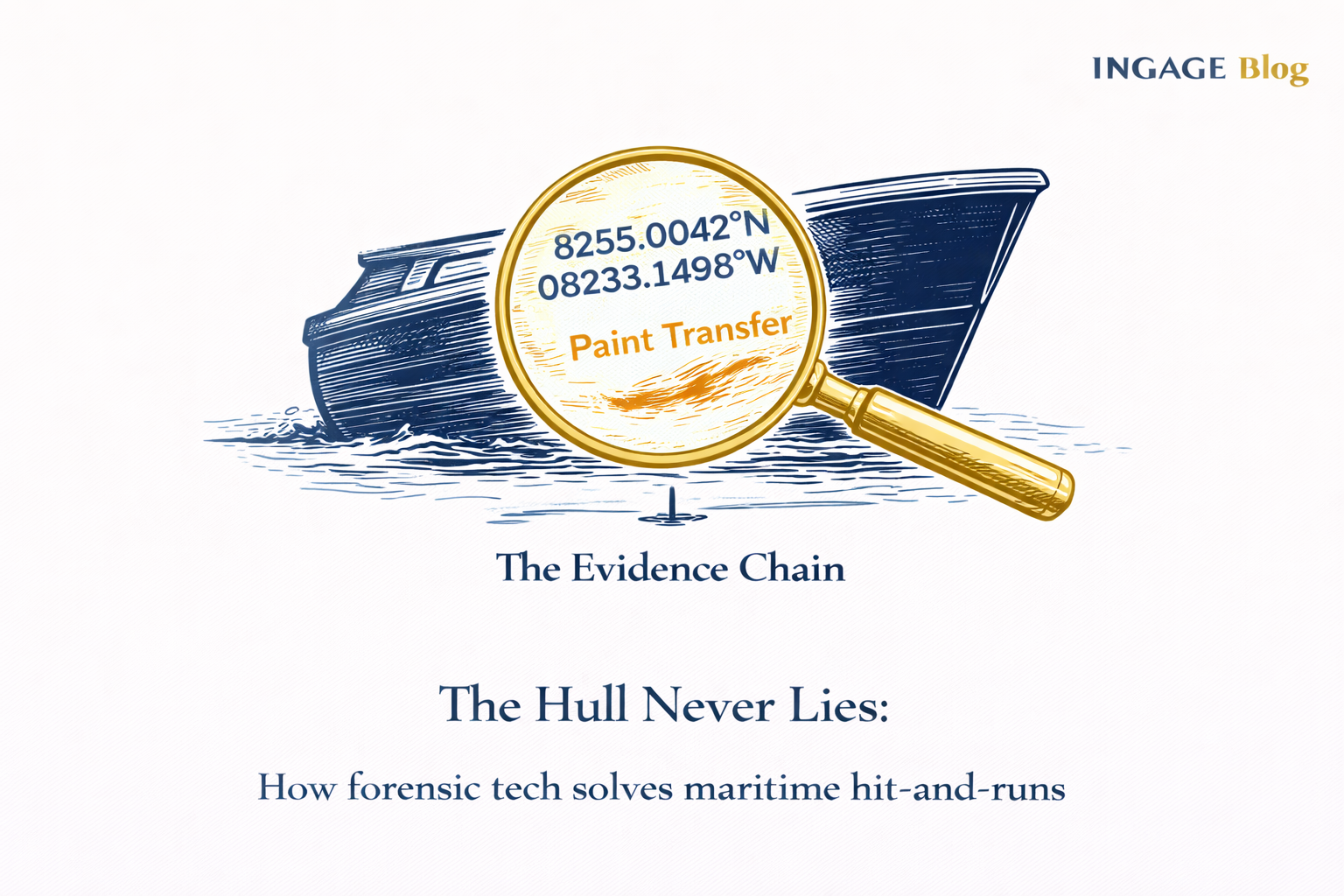
On one side is The Boater’s Ignorance. In the Ella Adler case, the striking vessel’s operator initially claimed to have “no idea” an accident had occurred. On the other side is The Investigator’s Evidence. The Florida Fish and Wildlife Conservation Commission (FWC) utilized GPS data and forensic paint transfer to bridge the gap between “I didn’t know” and “You were there.” The friction lies in the “Responsibility Gap”: Florida law dictates that an operator is responsible for their wake and their lookout at all times, regardless of whether they felt a collision.
Why This Disconnect Is Dangerous
INGAGE warns that the “Wild West” mentality on South Florida waters is leading to preventable fatalities.
The Hit-and-Run Phenomenon: Unlike car accidents, boat collisions often happen without the “jolt” drivers expect. This leads to operators leaving the scene, which—intentional or not—removes the chance for life-saving aid and complicates criminal investigations.
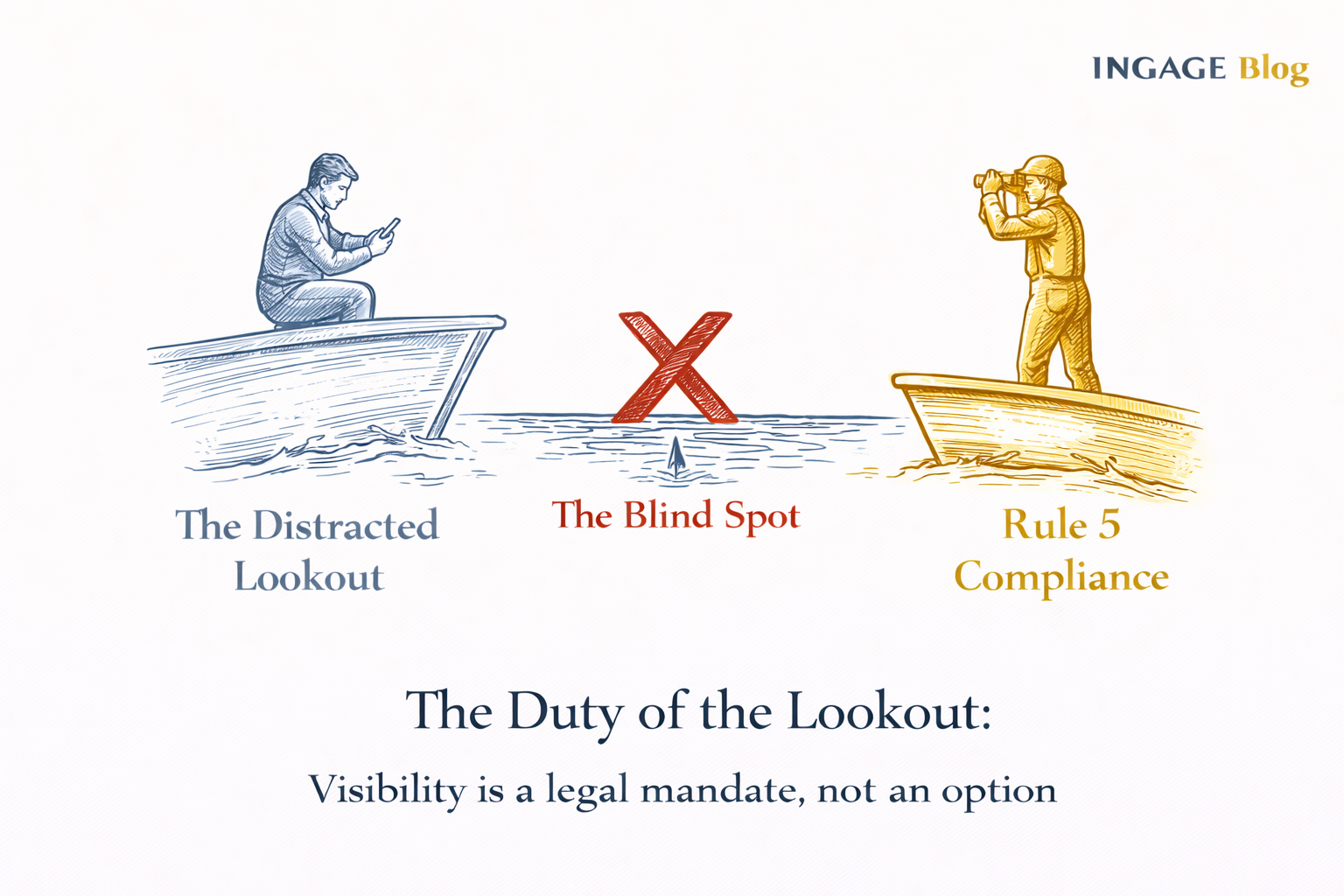
The Lookout Failure: Navigational Rule #5 requires a “proper lookout by sight and hearing.” In the Adler investigation, charges were filed specifically because the operators failed to account for a fallen wakeboarder in a high-traffic area.
The Legislative Lag: The Adler family has vocally supported “Lucy’s Law,” highlighting that current boating regulations are inadequate. Without stronger penalties and mandatory safety education, South Florida’s waterways remain a “Capital of Opportunity” for accidents.
The INGAGE Methodology: The “Forensic Accountability” Approach
The INGAGE approach to maritime incidents focuses on “Digital and Physical Reconstruction.”
This methodology relies on the fact that the water hides nothing forever. In the Adler case, investigators seized a 42-foot Boston Whaler by matching witness descriptions with forensic evidence found on the hull. By combining GPS Data, Bodycam Footage, and Vessel Maintenance Records, legal and PR teams can move past “he-said-she-said” narratives to find the technical truth. As seen in our work with maritime clients, transparency during the investigative phase is the only way to manage a reputation under the intense heat of a Miami media hit.
Comparison: Reckless Operation vs. Navigational Responsibility
Here is the breakdown of the charges and rules at the center of the Adler investigation.
| Rule / Charge | The Violation (Alleged) | The Responsibility (Rule) |
| Coast Guard Rule 2 | Failure to take action to avoid | Responsibility: Master is liable for all neglect. |
| Coast Guard Rule 5 | No lookout maintained | Look-out: Constant visual/auditory scan. |
| Coast Guard Rule 7/8 | Risk of collision ignored | Action: Early and substantial moves to stay clear. |
| Careless Operation | Striking a fallen boarder | Duty: Operating in a careful and prudent manner. |
| Result | Misdemeanor Charges | Outcome: Criminal and Civil Accountability. |
3 Steps To Improve Waterway Safety
Based on the FWC’s findings, here is the INGAGE blueprint for responsible boating.
1. Designate a “Silent” Lookout
Safety requires more than just one set of eyes.
Action: The operator should never be the only person watching the water. Designate a dedicated lookout who is not distracted by music, phones, or conversation. Their sole job is to spot “skiers down” and approaching vessels.
2. Utilize Vessel Telematics
Data is your best witness.
Action: Modern center-consoles often have GPS and engine data logging. In an investigation, this data can prove your speed and location. Proactive boaters use this tech to verify they were following “No Wake” zones and safety protocols.
3. Support Legislative Reform
The rules must evolve with the traffic.
Action: Align with movements like the Ella Riley Adler Foundation. Advocacy for “Lucy’s Law” and increased enforcement ensures that the “Capital of Opportunity” remains safe for everyone, not just those with the biggest engines.
Frequently Asked Questions (FAQ)
Who was charged in the Ella Adler investigation?
After a year-long investigation, the FWC charged Carlos Guillermo Alonso (the operator of the striking vessel) and Edmund Richard Hartley (the operator of the boat towing Adler) with multiple misdemeanors related to careless operation and navigation violations.
Why were the charges only misdemeanors?
Under current Florida law, if an operator is unaware they hit someone and there is no evidence of impairment (alcohol/drugs), the charges often fall under “Careless Operation” or navigational violations, which are misdemeanors. This is why the Adler family is pushing for stronger boating laws.
What is “Lucy’s Law”?
Named after Lucy Fernandez, another teen lost to a boating accident, this legislation seeks to increase penalties for boating violations and mandate more comprehensive safety education for Florida operators.
How did investigators find the boat?
Witnesses provided a description of a “large center-console with four engines.” FWC officers searched residential docks in Coral Gables and Key Biscayne, eventually finding a vessel with hull damage and paint transfer that matched the accident.
Is your boating lifestyle built on safety or luck?
Contact the INGAGE team today to learn how to navigate the complex world of maritime PR and legal strategy in South Florida.
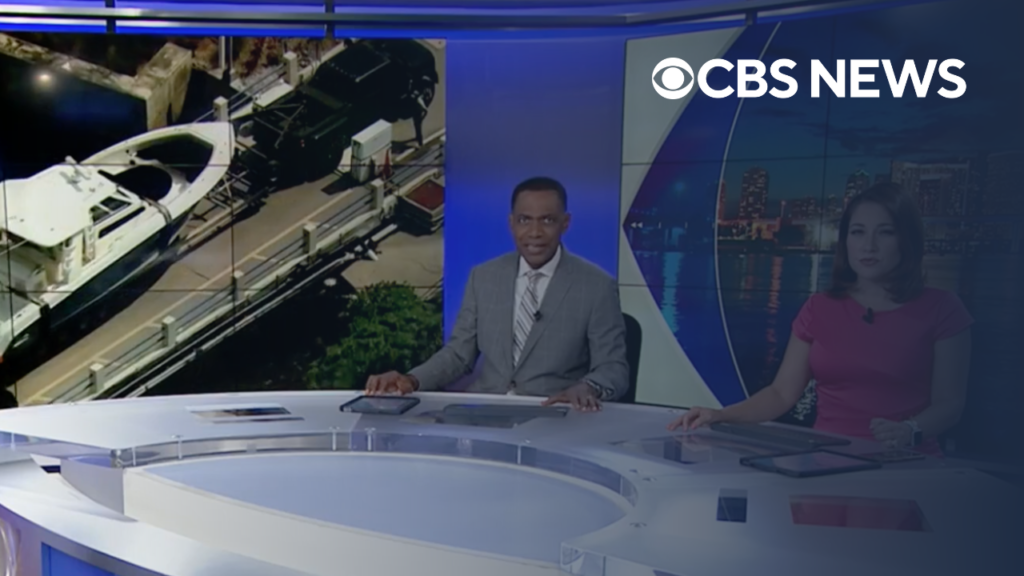
Surveillance video of boater after fatal collision
This video provides local news coverage and surveillance footage that was pivotal in identifying the vessel involved in the accident.