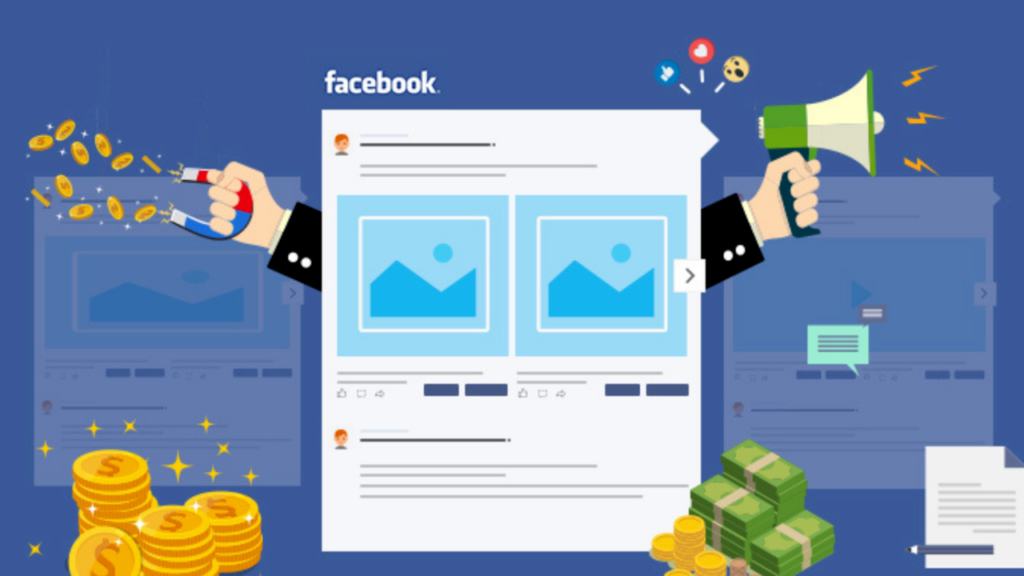
Quick Summary: The “Stop Hate for Profit” boycott was one of the largest coordinated marketing protests in history, with over 1,000 major brands pausing their spend on Facebook (Meta). Yet, financially, it was barely a blip on the radar. As INGAGE CEO Katherine Doble analyzes, the boycott revealed a hard truth: while brands have a voice, the platform still holds the power. The lesson for 2026 isn’t about “leaving” big tech—it’s about building a strategy where you aren’t held hostage by it.
The Inherent Friction: “Moral Opt-Out” Vs. “Operational Necessity”
The boycott brought a dormant conflict into the light: The tension between Corporate Values and Commercial Reality.
The Moral Stance: Companies felt compelled to withdraw support from a platform accused of profiting from hate speech and misinformation. It was a clear, binary choice: “If we pay them, we endorse them.”
The Market Reality: Facebook (and now Instagram/WhatsApp) is not just a media channel; for many businesses, it is the entire marketplace. Leaving it meant cutting off the primary lifeline to customers.
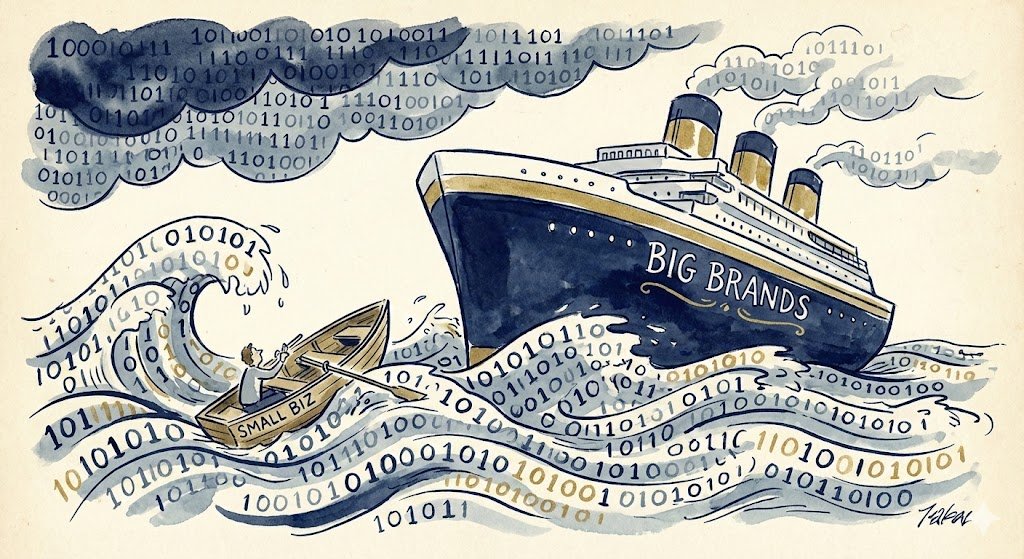
This friction created a paradox: The biggest brands (Coca-Cola, Unilever) could afford to leave for a month because they have other channels. Small and mid-sized businesses—who actually make up the bulk of Meta’s revenue—could not afford to join the protest without risking bankruptcy.
Why This Disconnect Is Dangerous
Katherine Doble warns that relying on a “boycott” as a long-term strategy is flawed because it cedes control.
The “Vacuum” Effect: When ethical brands leave a platform, they don’t stop the platform from operating. Instead, they leave a vacuum that is instantly filled by competitors or, worse, bad actors who have no moral qualms about the content they fund.
False Security: Returning to the platform after 30 days without a change in how you advertise means you accomplished nothing. The risk to your brand safety remains exactly the same.
Platform Dependency: If your business model collapses because you paused ads for one month, you don’t have a marketing strategy; you have a dependency problem.
The INGAGE Methodology: “Diversified Sovereignty”
The takeaway from the boycott isn’t to abandon social media, but to diversify your power base.
Katherine Doble advocates for “Digital Sovereignty.” This means using rented land (Facebook, TikTok, LinkedIn) to build a house you actually own (Email lists, SMS, Proprietary Communities). The goal is to reach a point where you can turn off Facebook ads—not as a protest, but because your business is healthy enough to survive without them.
Comparison: The Reactionary vs. The Strategic
How should brands handle platform controversies moving forward?
| Feature | The “Boycott” Approach (Reactionary) | The “Sovereignty” Approach (Strategic) |
| Primary Action | Pause spending publicly for PR | Shift budget to owned channels permanently |
| Goal | Punish the platform | Protect the business |
| Metric | “Did their stock price drop?” | “Did our direct traffic increase?” |
| Leverage | Collective bargaining (hoping others join) | Independence (we don’t need you) |
| Outcome | Temporary disruption | Long-term resilience |
3 Steps To Insulate Your Brand
Based on the lessons from the “Stop Hate for Profit” movement, here is how to build a boycott-proof marketing mix.
1. The “20% Rule” Audit
Review your traffic sources. If more than 20% of your revenue comes from a single social platform, you are in the “Danger Zone.”
Action: Immediately reallocate budget to a secondary channel (e.g., Google Search, Programmatic, or Direct Mail) to dilute this dependency.
2. Own the Data
The boycott failed to hurt Meta because Meta owns the audience. You need to own it.
Action: Launch a “Lead Magnet” campaign specifically designed to move followers off social media and into your CRM. Measure success by email signups, not likes.
3. Use “Exclusion Lists” Aggressively
You don’t have to leave the platform to protect your brand.
Action: utilize “Brand Safety” controls within ad managers. Manually upload exclusion lists to ensure your ads never appear next to political extremism or hate speech. This defunds the bad content without killing your lead flow.

Frequently Asked Questions (FAQ)
Did the boycott actually change Facebook’s policies?
Minimally. While it forced the appointment of some civil rights executives, the financial impact was less than 1% of revenue. It proved that “social pressure” has limits against “structural monopolies.”
Is it hypocritical to advertise on a platform we disagree with?
Not if you are strategic. You can view the platform as a utility (like a highway). You use the highway to get to your destination (your website), but you drive carefully and don’t support the potholes.
How can small businesses protest if they can’t afford to leave?
Small businesses protest by becoming less dependent. Every dollar you invest in building your own email list is a dollar of future freedom from algorithmic control.
What is the safest alternative to Facebook ads right now?
Contextual advertising and “Owned Media” (your own blog/newsletter) are the safest bets. They allow you to control exactly where your message appears and who sees it, eliminating the risk of appearing next to toxic content.
Is your business built on rented land?
Contact the INGAGE team today to audit your platform dependency and build a “Digital Sovereignty” strategy that keeps you in control, no matter what the tech giants do.